![Justine Wyness [un]Limited](http://images.squarespace-cdn.com/content/v1/5e4aaf188deb086d036c07b3/1581952904578-MEUJLS18N8U5XAEIMA1H/Basic+logo.png)
Is Your Website Ready for AI Search? (AEO, GEO & What's Changed)

How often do you ask ChatGPT for a recommendation now, rather than Googling it? More of your customers are doing exactly that, asking ChatGPT, Gemini, Perplexity or Google's AI Mode & getting an answer, rather than a page of blue links to click through.
I've been doing SEO in one form or another for over 20 years, and I can't remember a shift in how people find products or information quite like the last 18 months.
That doesn't make SEO redundant (the AI tools still lean heavily on what ranks well), but it's definitely time to expand your SEO strategy to cover two newer acronyms, AEO & GEO.
So hat Exactly are AEO & GEO?
AEO (Answer Engine Optimisation) is about getting your content picked as the answer, whether that's a featured snippet, a People Also Ask box, a voice assistant reply or Google's AI Overview. It rewards clear, direct answers to the questions your customers are asking - often in a literal Q&A style.
GEO (Generative Engine Optimisation) goes a step further, it's about being mentioned, cited & recommended inside the answers that tools like ChatGPT, Gemini, Claude & Perplexity write. Here you're not competing for a ranking position, you're competing to be one of the handful of brands or sources the AI decides to name.
There's a lot of overlap between the two (and with good old SEO), so I think of them as an extension of the same job rather than three separate strategies.
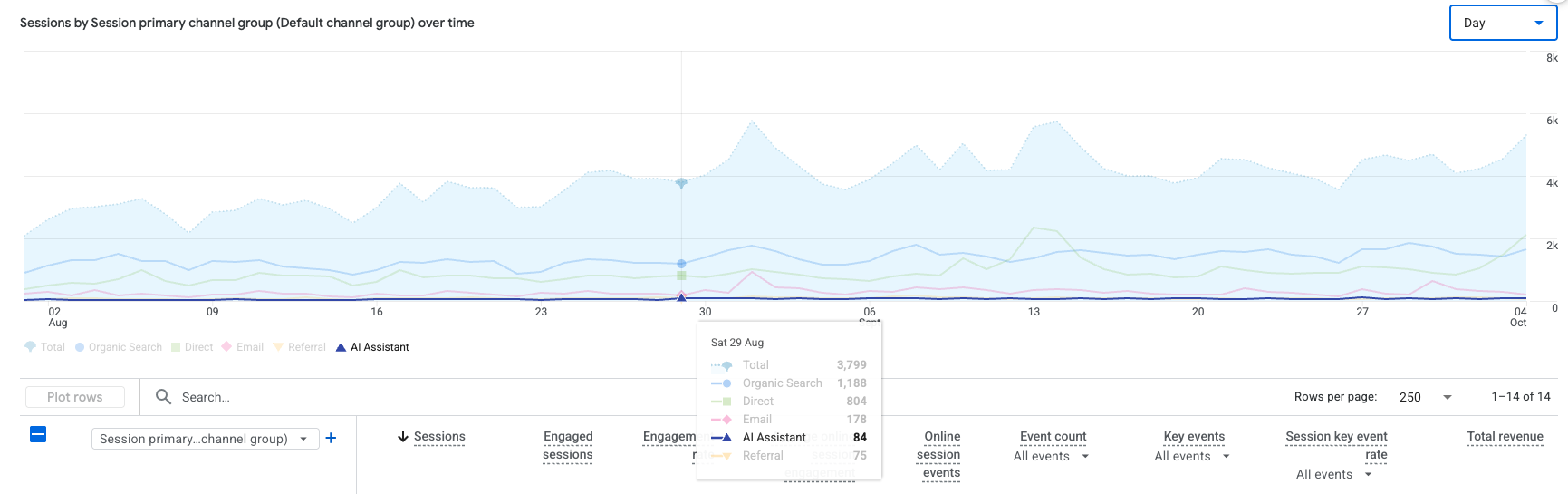
GA4 now Gives AI its own Channel
In May 2026 Google added AI Assistant to GA4's Default Channel Group, so visits referred from tools like ChatGPT, Gemini & Claude now show up as their own line in your acquisition reports rather than being lost in Referral. That in itself is a telling sign of how Search is changing.
A word of caution though, it's not 100% accurate yet. A fair chunk of AI-driven visits (especially from the mobile apps) arrive without a referrer & still land in Direct, so I'd expect your real AI traffic to be higher than GA4 shows. Even so, it's the first time most of the businesses I work with can see the trend at all, which makes it a useful place to start.
The Platforms are Moving too
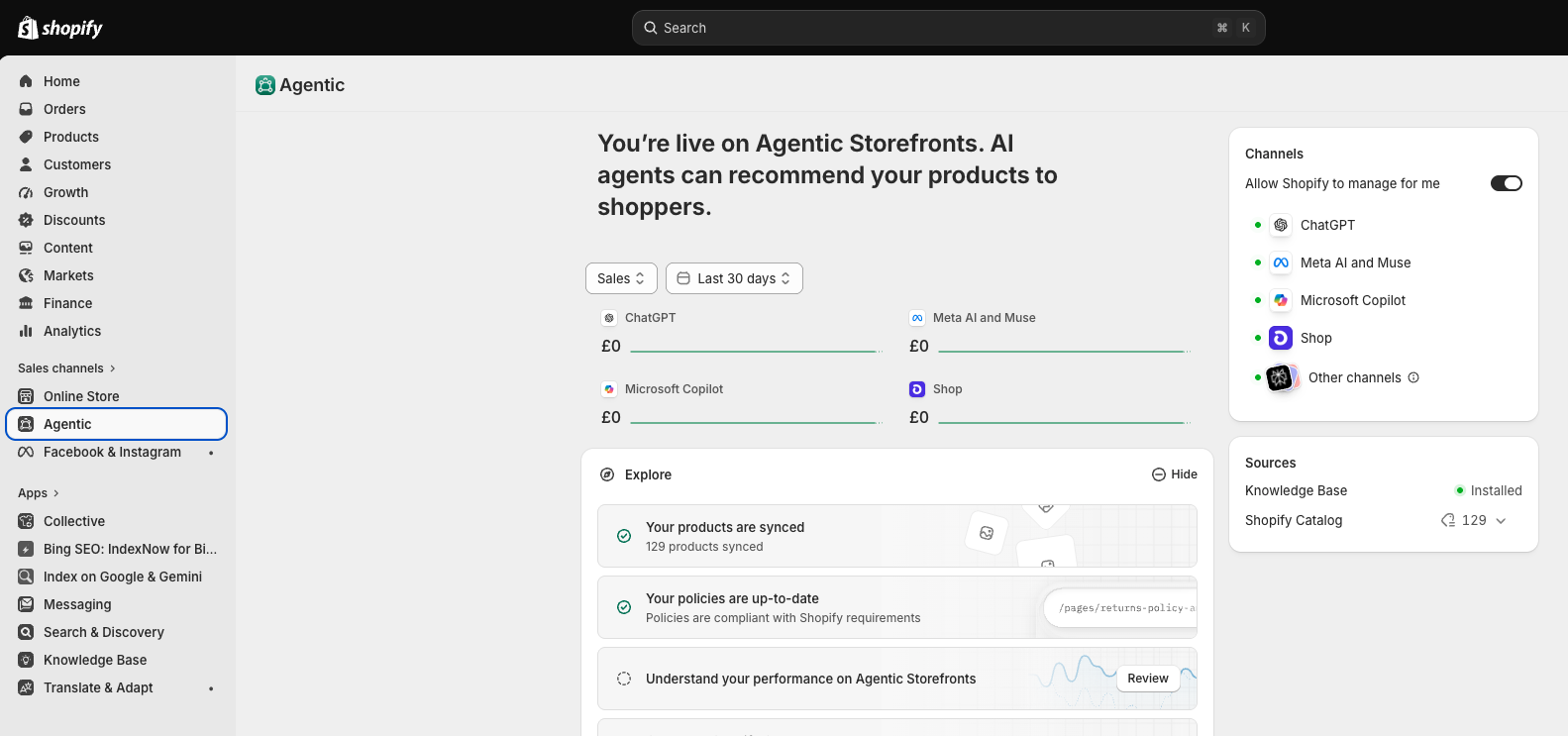
It's not only the analytics catching up. Shopify launched Agentic Storefronts in March 2026, which syncs your products into AI shopping channels (ChatGPT, Microsoft Copilot, Google's AI Mode & Gemini) so customers can find & buy from you without leaving the chat, with orders flowing back into Shopify Admin & you staying the merchant of record. Shopify has also co-developed an open standard with Google, the Universal Commerce Protocol, for how AI agents transact with retailers.
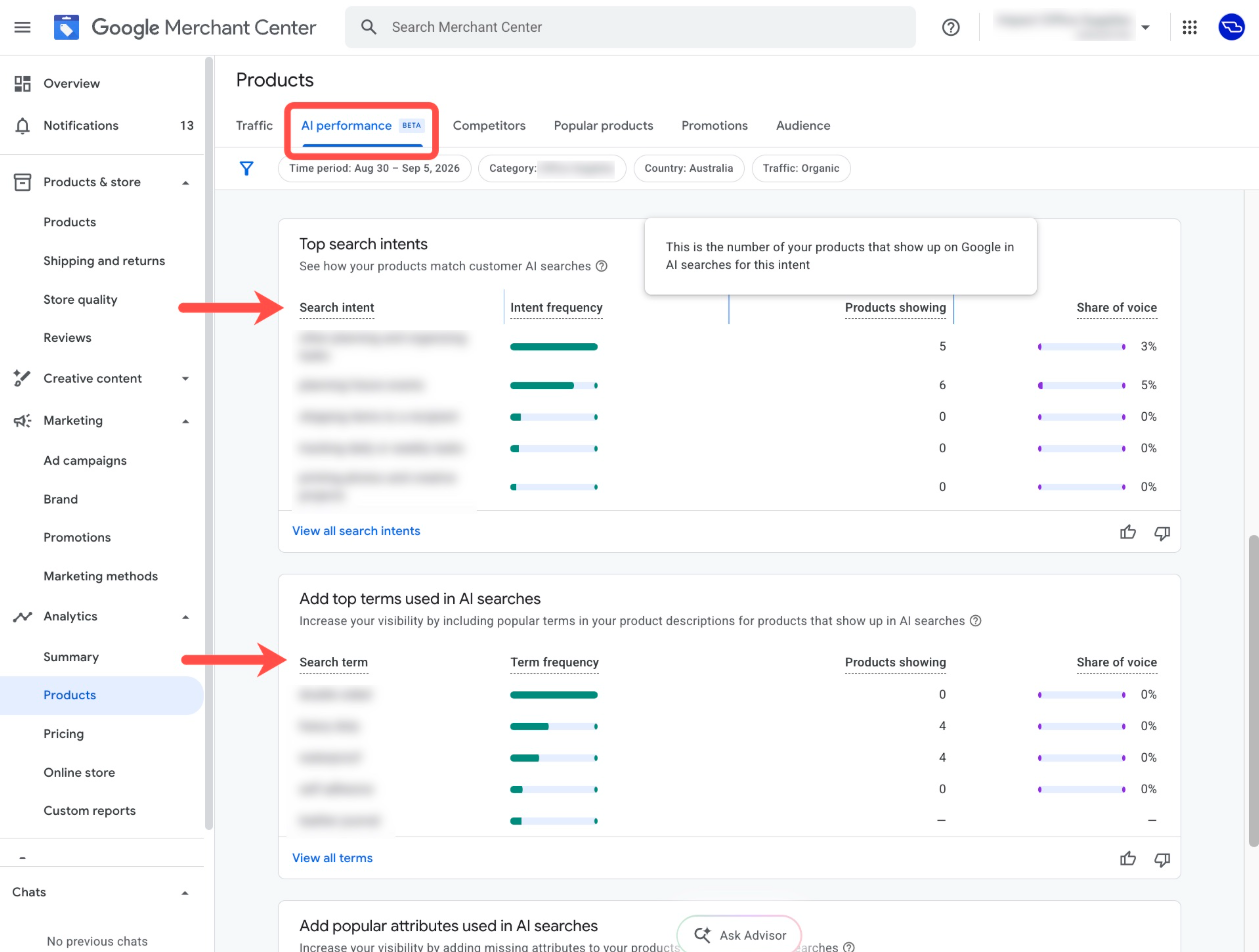
Google is doing something similar through Merchant Center. It's added new 'conversational' product attributes, things like Q&As, related products & substitutes, and structured variant details, so AI Mode & Gemini can answer shoppers' questions about your products more accurately. Using the same Universal Commerce Protocol, Google is also testing a Buy button inside AI Mode, though that's US-only & early access for now. If you're already sending a product feed to Google, it's worth seeing which of the new attributes you can fill in.
Other platforms are heading the same way, so if you're not on Shopify it's worth asking your platform or agency what's on their roadmap. Either way, the quality of your product data is about to matter a lot more than it used to.
How to Win at AEO & GEO
The good news is that most of this builds on things you should already be doing. Here's what I'm recommending to my clients:
Answer the question first. Lead each page or section with a short, plain answer, then add the detail underneath. AI tools pull out the clearest answer they can find, so make yours easy to lift.
Write for the questions people actually ask. Your customer service inbox, reviews & Google's People Also Ask are full of them, FAQs built from real questions tend to do far better than ones written to fill a page.
Get your product data in order. Full, accurate titles, descriptions, attributes, sizes, materials, stock & pricing, plus structured data (schema) on your product, FAQ & review pages. With agentic shopping this is what the AI reads to decide whether to recommend you.
Show your experience. Named authors, original photos, your own testing, case studies & customer stories all help, as AI tools favour sources that look trustworthy & first-hand.
Be mentioned elsewhere. GEO leans heavily on what other people say about you, so reviews, PR, partnerships, directories & real community conversations (Reddit included) are all worth some time.
Keep the technical basics tidy. Fast pages, clean crawlable HTML & not blocking AI crawlers by accident in your robots.txt (worth a check, it happens more than you'd think).
Give the AI tools a cheat sheet with llms.txt. This is a short, plain-text summary of who you are, what you do & which pages matter most, written for AI tools rather than people. It's still a proposed standard, so not every AI tool reads it yet, but it's quick to do. Some platforms, like Squarespace (the one this site is on) won't let you upload a file to the root of your site, so mine lives on a /llms page, with a URL mapping (Settings > Developer Tools > URL Mappings) redirecting /llms.txt to it:
/llms.txt -> /llms 301
As usual, there’s been a rush of emails from people claiming they can get your brand cited using quick AEO 'hacks' or churning out hundreds of AI-written pages, it didn't work for SEO (remember the ‘I can get your to Number 1 in in Google’ emails?) and it won’t work here either.
So, Where Do You Start?
If you do one thing, I'd open GA4, look at the new AI Assistant channel over the last few months & see which landing pages it's sending people to. That tells you which of your pages the AI tools already trust, & gives you a shortlist of the next ones to tidy up.
Want to chat about how your site's showing up in AI search? Do get in touch!